How To Choose The Best Crypto Exchange App For Your Needs
The best crypto exchange app is not automatically the one with the most features, the largest number of listed assets, or the fastest onboarding process. For many users, a simple crypto exchange may be easier to navigate, but simplicity should still be supported by strong security, clear fees, reliable withdrawals, and enough functionality to match the user’s actual crypto activity.
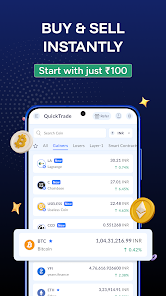
A useful app should reduce unnecessary complexity without hiding important information. The right balance depends on whether the user is making occasional purchases, holding digital assets for longer periods, or trading more actively.
Simplicity Should Mean Clarity, Not Missing Information
A clean interface can be helpful, especially for newer users.
However, a simple design should still make it easy to find:
- Current prices
- Fees
- Order details
- Portfolio holdings
- Withdrawal options
- Security settings
If important information is difficult to locate, the app may be simple visually but not transparent operationally.
Good usability helps users understand what they are doing before they confirm a transaction.
Beginners And Active Traders Need Different Things
A beginner may value:
- Easy navigation
- Clear buying steps
- Simple portfolio tracking
- Straightforward account controls
An active trader may care more about:
- Order types
- Liquidity
- Execution speed
- Market depth
- Detailed charts
The best app for one user may therefore be unsuitable for another.
The right choice starts with defining the intended use.
Security Should Be Easy To Access
Strong security should not be hidden deep inside account settings.
Users should be able to understand and manage features such as:
- Two-factor authentication
- Device verification
- Login alerts
- Withdrawal controls
- Account recovery
The app should make secure behavior easier rather than more difficult.
Users should also protect their own passwords, devices, and email accounts.
Fee Information Should Be Visible Before Trading
A platform may appear simple until users begin placing frequent orders or moving assets.
Applicable costs can include:
- Trading fees
- Spreads
- Withdrawal fees
- Network charges
- Other disclosed costs
Users should understand these expenses before building a strategy.
A low-friction interface does not necessarily mean low-cost trading.
Liquidity Matters Even In A Simple App
Users may not see order books or market-depth information in every interface, but liquidity still affects execution.
Lower liquidity can lead to:
- Wider spreads
- Slippage
- More difficult exits
This is especially relevant for less actively traded crypto assets.
Users should review whether the markets they intend to use have sufficient activity.
Asset Choice Should Be Relevant, Not Excessive
Some apps promote the number of listed assets as a major advantage.
However, most users do not need exposure to every available token.
A more useful question is whether the platform supports:
- The assets the user actually wants
- Adequate liquidity
- Appropriate withdrawal options
- Clear market information
More listings can also create more opportunities for impulsive trading.
Selection quality matters more than quantity.
The Buy Process Should Still Include A Final Check
A good app may allow a purchase to be completed quickly.
Users should still have a clear confirmation stage showing:
- Asset
- Amount
- Price
- Fees
- Quantity received
This checkpoint helps reduce accidental purchases.
Speed should not remove the opportunity to verify transaction details.
Selling Should Be As Clear As Buying
Some users evaluate an app only by how easy it is to purchase crypto.
The exit process matters just as much.
Users should understand:
- How selling works
- What price applies
- What fees are charged
- How proceeds can be withdrawn
An app that makes buying simple but selling confusing can create unnecessary friction.
Withdrawal Controls Are A Key Test
Users should review how easily they can move funds or supported crypto assets.
Important areas may include:
- Minimum withdrawal amounts
- Processing times
- Security checks
- Fees
- Transfer limits
This information should be available before the user needs to withdraw urgently.
A platform should be judged on both entry and exit.
Portfolio Tracking Should Be Easy To Interpret
A useful app should help users understand:
- Total amount invested
- Current portfolio value
- Asset allocation
- Individual holdings
Clear portfolio visibility can help users identify over-concentration.
It can also reduce the tendency to judge success only by one asset’s recent price movement.
Avoid Apps That Encourage Constant Activity
Some interfaces may prominently display:
- Trending assets
- Top gainers
- Price alerts
- Short-term market movements
These features can be useful, but they may also encourage users to trade more frequently than intended.
A good app should support the user’s strategy rather than constantly push activity.
More transactions can mean more costs and more emotional decision-making.
Keep Long-Term Holdings Separate From Short-Term Trades
Users who invest and trade within the same app should keep the two activities conceptually separate.
Long-term holdings may follow allocation rules.
Short-term positions may follow entry and exit rules.
This distinction helps prevent a failed trade from becoming a permanent holding simply because the user does not want to realize a loss.
Review Account Recovery Before It Is Needed
Users should understand what happens if they:
- Lose their phone
- Forget a password
- Lose access to email
- Change devices
Account recovery should be secure but understandable.
This is often overlooked until access is actually lost.
Testing recovery information early can prevent future problems.
Customer Support Should Be Easy To Verify
Crypto users can be targeted by fake support messages.
A good platform should provide clear official support channels.
Users should avoid sharing:
- Passwords
- OTPs
- Recovery phrases
- Authentication codes
Support should never require confidential credentials that would give someone access to the account.
The App Should Fit The User’s Risk Level
A beginner does not necessarily need every advanced feature.
Likewise, an experienced trader may find a very basic app too restrictive.
The app should match:
- Knowledge level
- Trading frequency
- Asset preferences
- Risk tolerance
- Security needs
Complexity should be useful, not decorative.
Review The App As Your Needs Change
The right platform today may not always remain the right one.
Users may later need:
- More trading tools
- Better reporting
- Different withdrawal options
- Stronger account controls
Periodic review helps determine whether the platform still fits the user’s activity.
Switching platforms should be driven by genuine need rather than short-term trends.
Keep Crypto Exposure Within The Broader Financial Plan
A cryptocurrency allocation should remain only one part of the overall financial picture.
Users should keep emergency savings, essential expenses, and borrowed money separate from crypto exposure. App convenience should not encourage investors to allocate more than they can afford to lose.
Conclusion
The best crypto exchange app is the one that balances simplicity, security, transparency, liquidity, and useful functionality for the individual user.
Beginners may prefer a cleaner interface, while active traders may require deeper market tools. In both cases, users should review fees, withdrawals, account recovery, asset availability, and portfolio visibility before committing funds.
A strong crypto app should make important actions easier to understand without making risk invisible.